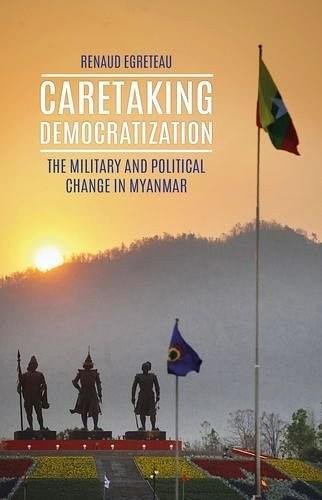
Caretaking Democratization:The Military and Political Change in Myanmar
- 作者
- 出版社 Oxford University Press
- 出版时间 2016年12月
- ISBN 9780190620967
内容简介
ThisbookexaminesthepoliticallandscapethattookshapeinMyanmarafterthe2010electionsandthesubsequenttransitionfromdirectmilitaryruletoaquasi-civilian'hybrid'regime.Strikingpolitical,social,andeconomictransformationshaveindeedtakenplaceinthelong-isolatedcountrysincethemilitaryjuntawasdisbandedinMarch2011.Tobetterconstrue-andquestion-whathasroutinelybeenlabelleda'BurmeseSpring',Egreteauexaminesthereasonsbehindtheongoingpoliticaltransition,aswellastheroleoftheBurmesearmedforcesinthatprocess,drawingonin-depthinterviewswithBurmesepoliticalactors,partyleaders,parliamentariansandretiredarmyofficers.Thestudyalsotakesitscuefromcomparativescholarshiponcivil-militaryrelationsandpost-authoritarianpolitics,tolookatthe'praetorian'logicexplainingthetransitionalmoment.Myanmar'sroadtodemocraticchangeis,however,stillpavedwithdauntingobstacles.Asthebooksuggests,thecontinuingmilitaryinterventionindomesticpolitics,theresilienceofbureaucratic,economicandpoliticalclientelismatalllevelsofsociety,theiconificationofAungSanSuuKyi,theshadowyinfluenceofregionalandglobalpowers,aswellasenduringconcernsaboutinterethnicandinterreligiousrelations,allarestrongremindersoftheseriesofelementalconundrumswithwhichMyanmarwillhavetodealinordertoachievedemocratization,sustainabledevelopmentandpeace.
— END —